
New Jersey Blood Services (NJBS) and New York Blood Center (NYBC) welcomed three health commissioners at donor centers this week. The commissioners each donated blood and urged eligible New Yorkers and New Jerseyans to do the same ahead of Labor Day weekend to help stabilize the blood supply after a particularly challenging summer season.
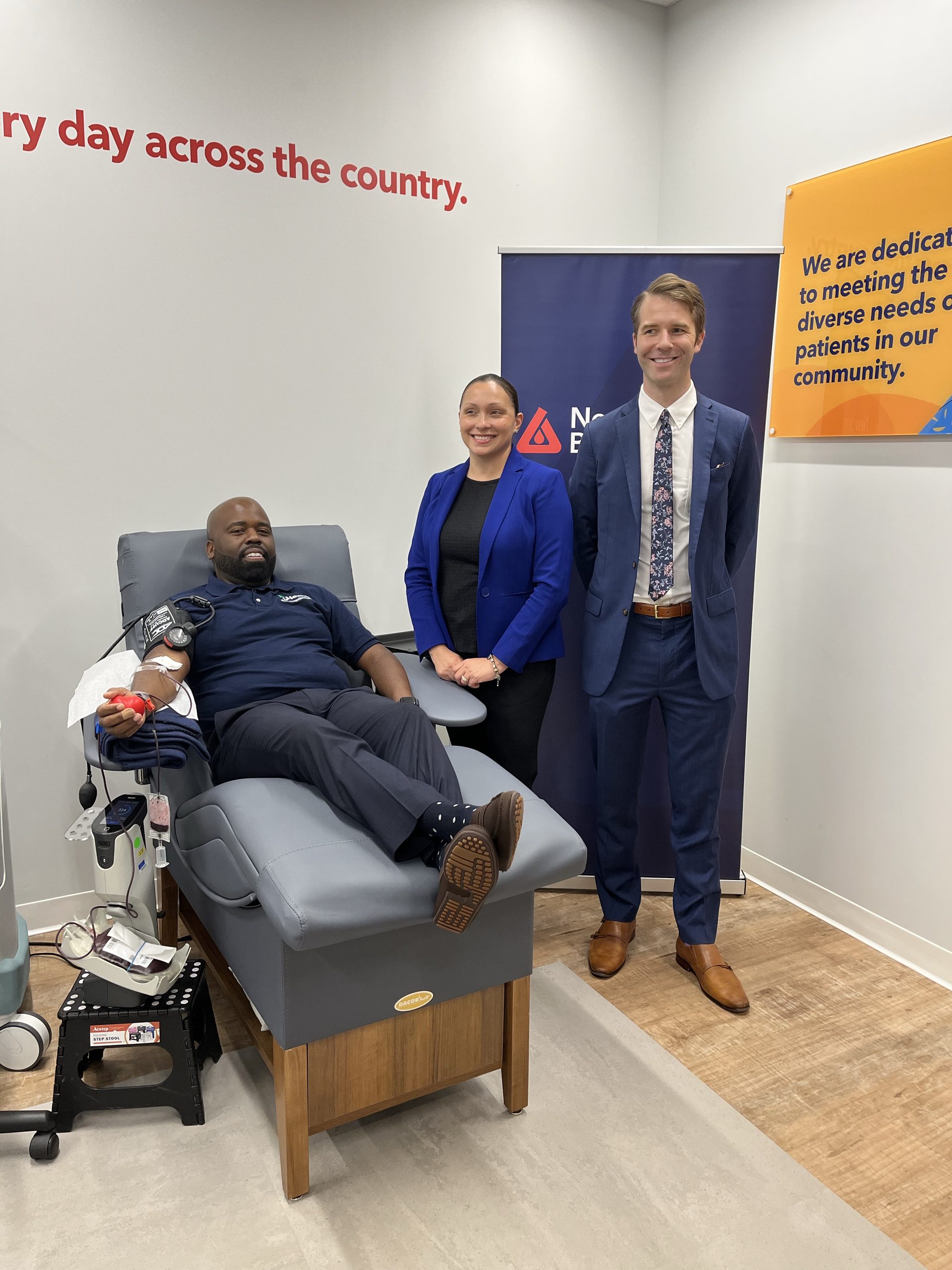
New Jersey Health Commissioner Dr. Raynard E. Washington donated blood on Tuesday, August 25, as state health officials urged eligible residents to give blood amid a shortage of blood products in New Jersey. Washington donated whole blood at NJBS’ Freehold Donor Center and encouraged New Jersey residents to determine whether they are eligible to donate and schedule an appointment.
“Donated blood is an essential part of healthcare New Jerseyans rely on, used for everything from routine surgeries and cancer treatments to trauma care. But blood and platelets can’t be manufactured—they come from generous donors who step up to help,” said NJ Health Commissioner Dr. Raynard E. Washington. “Right now, we encourage every eligible New Jerseyan to commit just one hour of their time to give blood and save lives.”
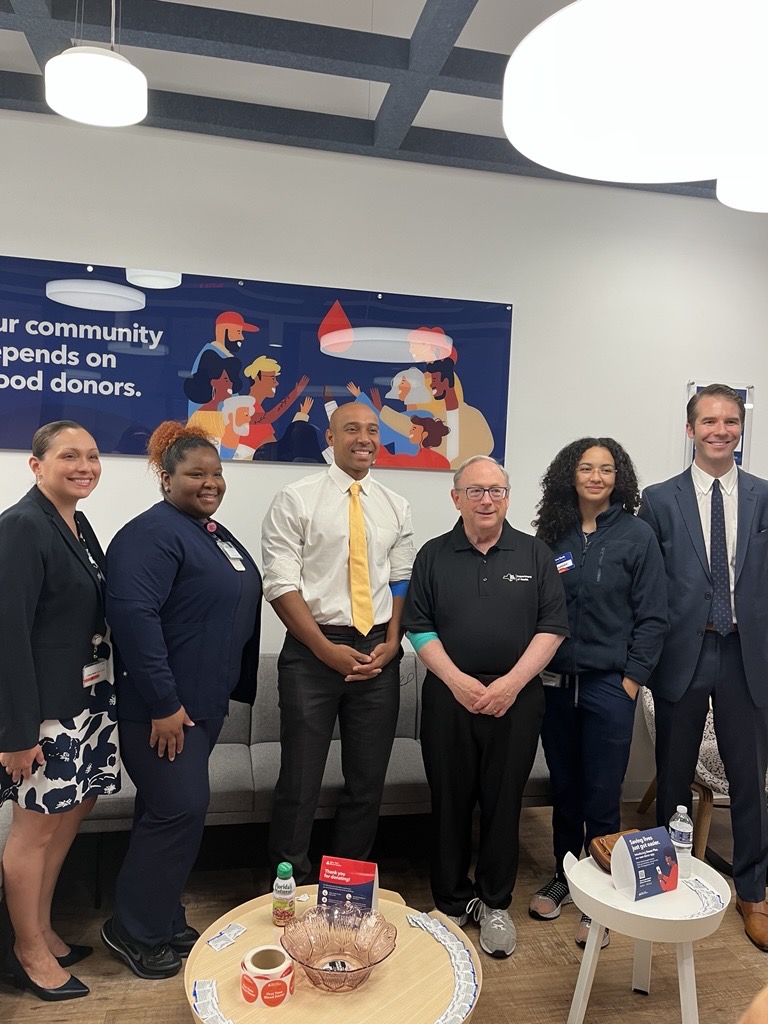
On Thursday, August 28, New York State Health Commissioner Dr. James McDonald and New York City Department of Health and Mental Hygiene Commissioner Dr. Alister Martindale donated blood at NYBC’s West 35th Street donor center and underscored the importance of making blood donation a regular part of community health.
“Someday could be today, tomorrow, or never, yet someday you might need blood,” NY State Health Commissioner Dr. James McDonald said. “Every day, patients, who could be you, depend on donated blood for trauma care, surgeries, cancer treatment, childbirth, and other critical medical needs. Only 1 in 50 New Yorkers donates blood, and we are not keeping up with demand. If you have never donated blood, plan to do it at least once. If you have donated before, thank you, and know giving again, like I am doing, is literally giving life to another.”
“Blood donation is a simple act of kindness that has the power to save lives. In a city as vibrant and diverse as New York, the need for blood is constant and urgent,” NYC Health Commissioner Dr. Alister F. Martin said. “The national blood shortage has made it even more critical for New Yorkers to step up and donate. As an ER doctor, I have seen firsthand how essential it is for a hospital to have the resources to treat trauma victims, cancer patients, and those undergoing surgeries each day. One pint of blood can save up to three lives. By donating blood, we can come together to support our community and address this need.”
This summer, NYBC and NJBS declared an unprecedented two blood emergencies after donations dropped to their lowest levels since the height of the COVID-19 pandemic. With Labor Day weekend and the start of a new school year approaching, the need for donors remains urgent after a challenging summer for the blood supply, both locally and nationwide.
“Maintaining a stable and healthy blood supply for our communities is a responsibility we all share. We are grateful for the support from the New Jersey, New York State, and New York City Health Commissioners, and their united commitment to our mission and willingness to roll up their sleeves and lead by example,” New York Blood Center & New Jersey Blood Services Executive Director of Donor Recruitment and Strategic Partnerships Yadira Navarro said. “We hope that all New Jerseyans and New Yorkers are inspired by these leaders to donate blood in support of their communities across the states.”
As New Yorkers prepare for Labor Day weekend, rebuilding and maintaining the blood supply is critical. Donations often decline during holiday weekends and the back-to-school season as travel, activities and changing routines make it more difficult for donors to give.
Community members can help support the blood supply by making an appointment to donate or by bringing donors together through a blood drive. Community organizations, businesses, fire and police departments, schools, and other groups are encouraged to get involved. Learn more about hosting a blood drive here.