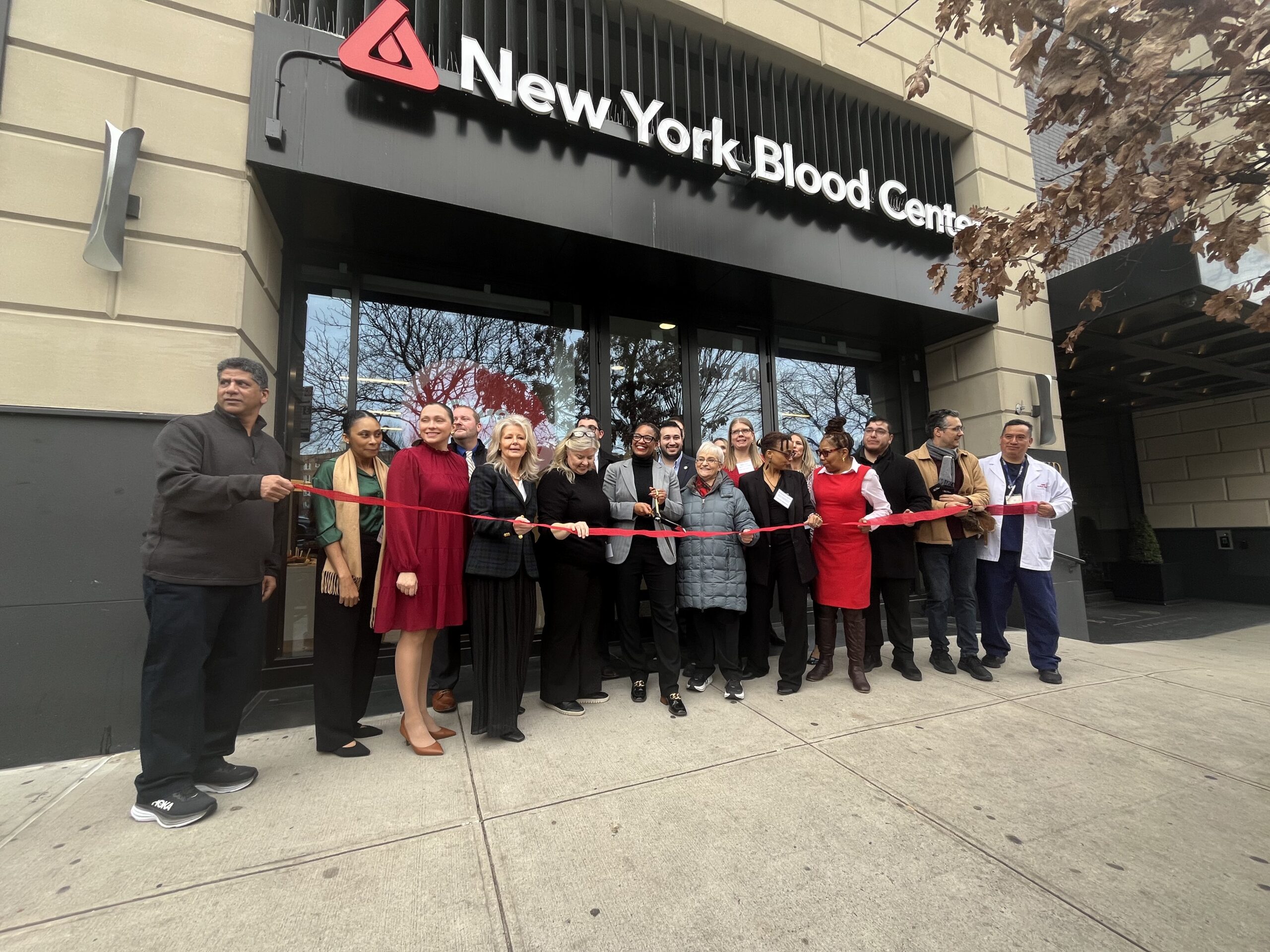
NYBC welcomed local leaders and community members to celebrate its new state-of-the-art Forest Hills donor center, bringing lifesaving donation closer to home for the nation’s most diverse county
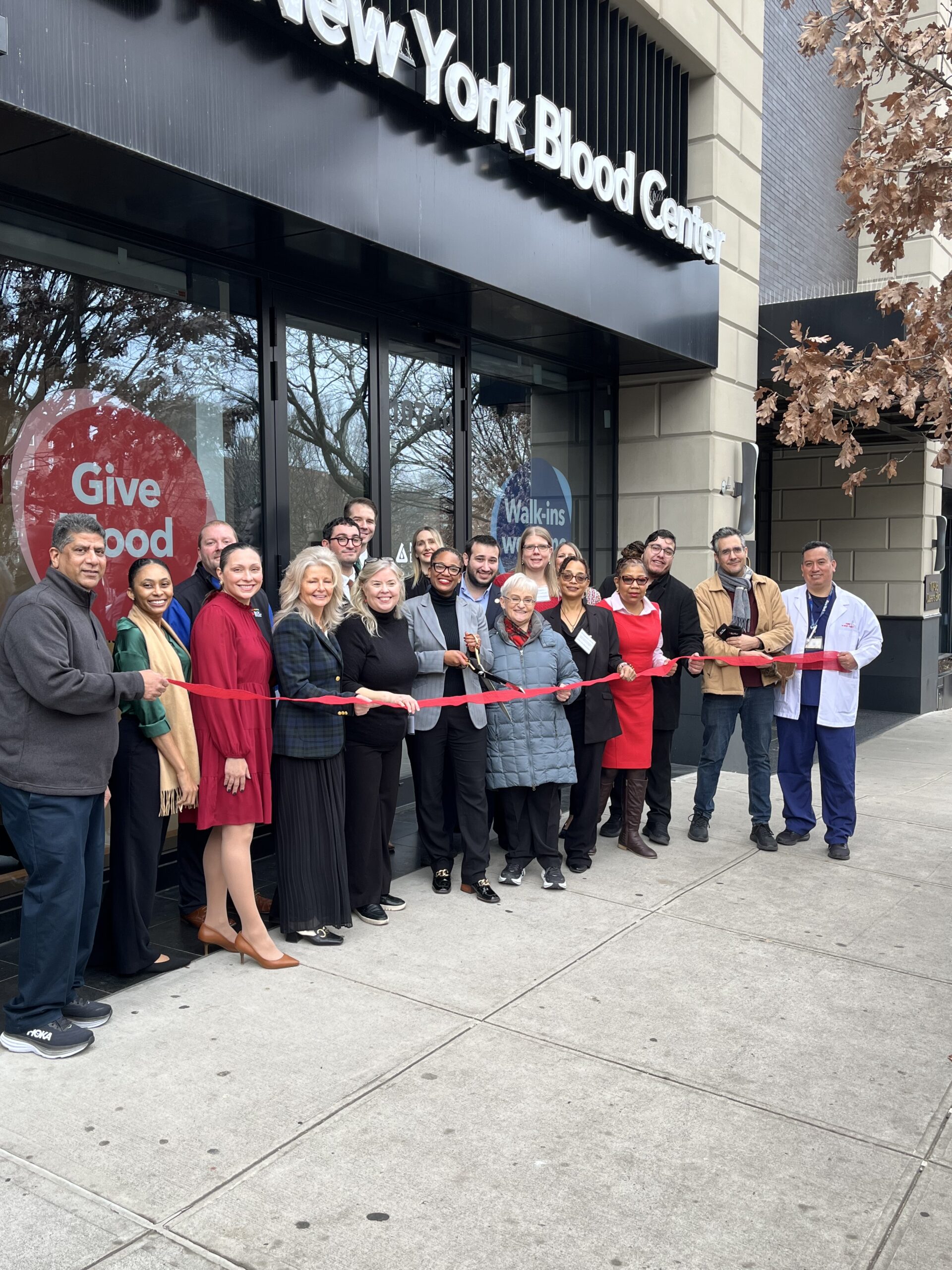
New York Blood Center (NYBC) celebrated the grand opening of its first-ever Queens donor center on Wednesday, December 10 at 11:00 AM at 107-10 Queens Blvd in Forest Hills. NYBC was joined by Deputy Queens Borough President Ebony Young, New York City Council Member Lynn Schulman, Dr. Toni Eyssallenne of the NYC Department of Health and Mental Hygiene, and other community partners for a ribbon-cutting event and celebration of the new, state-of-the-art facility.
The new Queens donor center marks NYBC’s sixth donor center in New York City and represents a major investment in expanding donation access in the borough that is home to the most diverse population in the country. By establishing a permanent, community-centered location, NYBC aims to make blood donation more convenient for residents and strengthen the local blood supply for hospitals across the region.
“Queens is known as the World’s Borough for a reason – its diversity is unmatched,” said Jeannie Mascolino, Vice President, Divisional Blood Operations at New York Blood Center. “That diversity is essential to a strong blood supply, especially for patients who need closely matched blood, such as those with sickle cell disease or thalassemia. We’re thrilled to open our first donor center in Queens and grateful to the local leaders who helped make this day possible.”
“I’m so glad to see New York Blood Center has opened a new permanent Queens Donor Center in Forest Hills,” said Queens Borough President Donovan Richards Jr. “We’ve happily hosted NYBC at Queens Borough Hall in the past, and now they have a permanent location in our borough for all to use. I encourage everyone to pay them a visit and give the gift of life this holiday season.”
Despite the excitement surrounding the new donor center, NYBC continues to face significant blood supply challenges. The region’s blood supply is currently at about half of what is needed to adequately serve patients, with critical types like O+ and O- down to just a 1-day supply. Thanksgiving week donations fell roughly 20%, leaving the region about 1,500 units short. Additional donors are urgently needed in the coming weeks to help stabilize the blood supply.